Welcome to blog
Working time:
Sunday - Friday: 9 AM – 5 PM-
Saturday: 10 AM – 2 PM
Call for free consultation: 0097466546110



James | Executive Coach & Talent Strategist
James is a seasoned executive coach with over 20 years of experience in human resources, leadership, and talent strategy. Known for his dynamic, people-centered approach, he helps leaders and teams unlock their full potential through tailored coaching sessions focused on emotional intelligence, strategic vision, and personal growth.
Schedule a ConsultationContact Info
- 905 office, Capital Golden Tower, Business Bay, Dubai, UAE.
- 0097466546110
- 9one1consultancy@gmail.com
- Week Days: 09.00 to 18. 00 Sunday: Closed

With coaching now being sought after for personal growth and professional development, coaches are encountering clients with complex challenges, some of which extend beyond the scope of traditional coaching. Recognizing where coaching ends and therapy begins is essential for providing ethical and effective client support. In this post, we’ll explore how to recognize the boundaries between coaching and therapy and how to navigate these challenges in a way that respects client needs.
Defining Coaching vs. Therapy
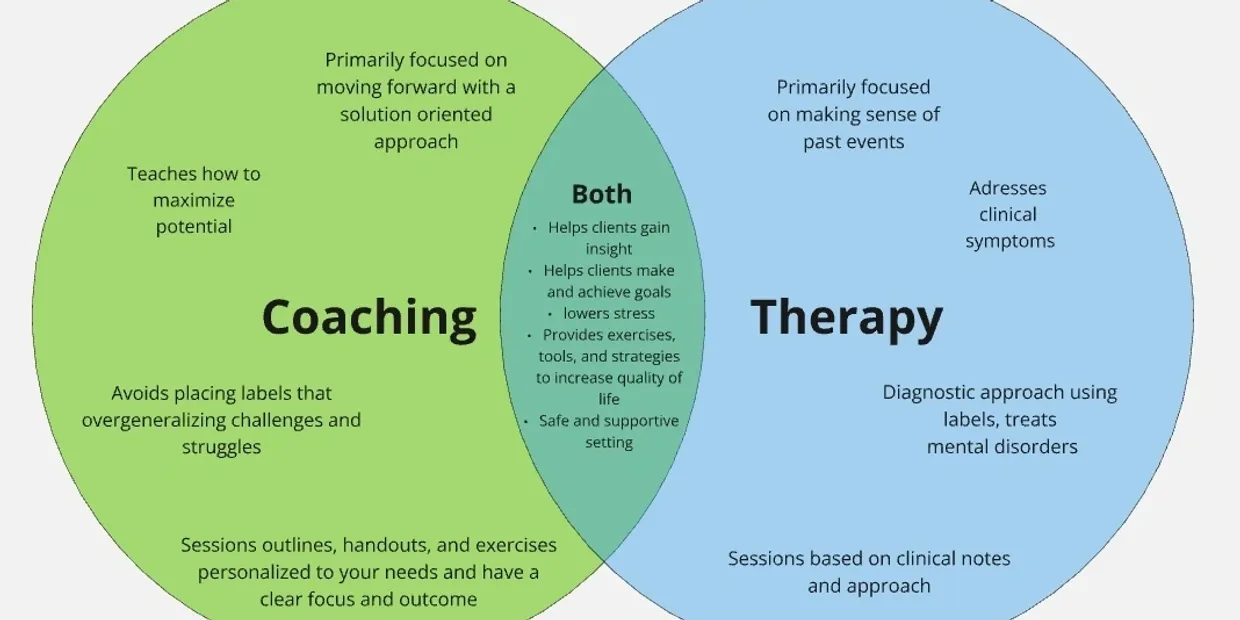
Coaching and therapy share similarities but serve fundamentally different purposes. While coaching is goal-focused, emphasizing action and accountability, therapy is oriented towards healing and mental health. Therapy often addresses deeper emotional issues, trauma, and mental health conditions, while coaching supports clients in achieving specific goals and overcoming performance obstacles.
- Focus on Future vs. Past: Therapy often involves exploring the past to heal emotional wounds, while coaching is forward-looking, focusing on current goals and future achievements.
- Different Techniques and Tools: Therapy may involve cognitive-behavioral techniques, psychoanalysis, or medication, which require specialized training, while coaching uses goal-setting, accountability, and reflection.
Recognizing Red Flags in Coaching Sessions

Some signs indicate a client may need therapy rather than coaching. Understanding these red flags can help coaches ensure clients receive the appropriate support.
- Persistent Negative Emotions: If a client frequently feels sadness, anxiety, or anger that interferes with their daily life, it may indicate a deeper issue.
- Trauma or Mental Health History: If past trauma impacts their present behavior or goals, professional therapy could be beneficial.
- Lack of Progress Due to Emotional Blocks: Despite regular sessions, if a client shows little progress due to unresolved emotional challenges, a referral to a therapist may be necessary.
Ethical Guidelines and Responsibilities

Organizations like the International Coaching Federation (ICF) emphasize the importance of knowing when to refer a client to mental health professionals. Coaches should have a network of trusted therapists for referrals to ensure clients get the support they need.
- Confidentiality: Maintain confidentiality in all sessions, respecting the client’s privacy while providing a safe space.
- Referral Practice: Offer referrals sensitively, highlighting the benefits of both coaching and therapy as complementary approaches.
Supporting Clients Holistically While Respecting Boundaries
Holistic support means recognizing when a client may need additional resources while continuing to provide coaching in the areas that fall within your scope. Coaches can support clients in setting actionable goals, managing self-doubt, and building resilience without addressing deeper emotional traumas.
- Empathy in Conversations: Approach discussions about boundaries with sensitivity. Explain that therapy and coaching work well together and encourage clients to view therapy as a valuable resource.
- Reinforce the Value of Coaching: Emphasize that coaching is not about fixing mental health issues but helping clients achieve their potential within the present scope.
Conclusion
Coaching and therapy each play essential roles in personal development, but they serve different functions. By understanding the differences and knowing when to refer clients, coaches can practice ethically while supporting clients in meaningful ways. Establishing clear boundaries and building a referral network ensures that clients receive the right kind of support at each stage of their journey.
"The greatest discovery of my generation is that a human being can alter his life by altering his attitude."William James